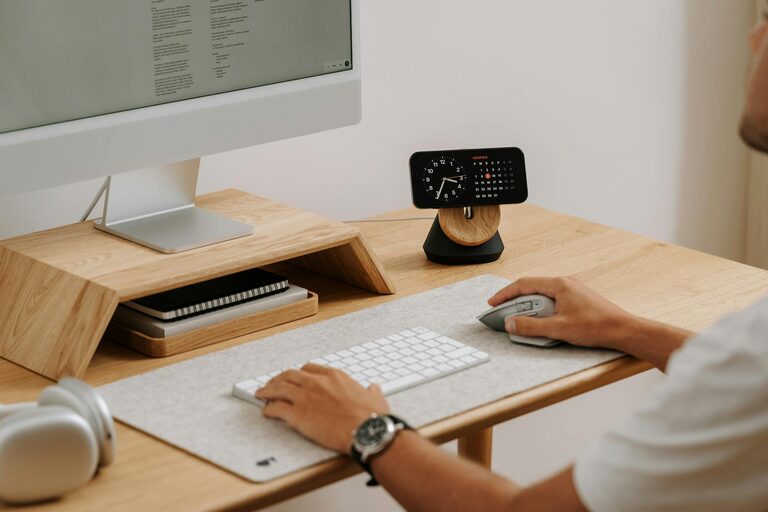
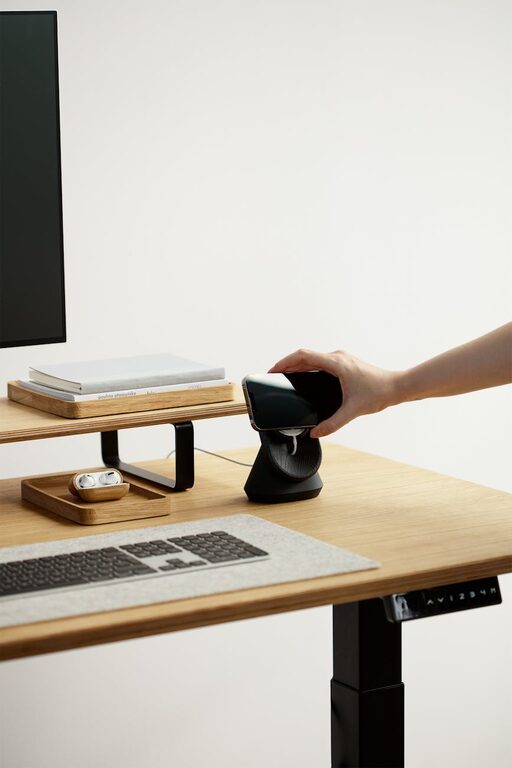
Working from home has become a common reality for many, making it essential to create a workspace that supports both productivity and relaxation. A well-designed home office can help you focus better, reduce stress, and maintain a healthy work-life balance. Here are some practical tips to help you transform your home workspace into a comfortable and effective environment.
Choose the Right Location
The first step is selecting a suitable spot in your home. Ideally, it should be a quiet area with minimal distractions. Here are some points to consider:
– Natural Light: Pick a space near a window to benefit from daylight, which can improve mood and alertness.
– Quietness: Avoid busy areas like the kitchen or living room if possible, to maintain concentration.
– Space: Ensure there is enough room for your desk, chair, and any equipment you need.
Invest in Comfortable Furniture
Comfort plays a major role in how productive and relaxed you feel. Consider these furniture options:
– Ergonomic Chair: A supportive chair reduces the risk of back pain and encourages good posture.
– Desk: Choose a desk at the right height with sufficient surface area for your work materials.
– Adjustable Setup: Items like monitor stands or keyboard trays can help you customise your workspace.
Keep Your Workspace Organised
A clutter-free area helps clear your mind and prevents distractions. Try the following organisation strategies:
– Storage Solutions: Use drawers, shelves, or containers to store supplies neatly.
– Daily Tidying: Spend a few minutes at the end of each day to tidy your desk.
– Minimalist Approach: Only keep essential items on your desktop.
Personalise Your Space
Adding personal touches can make your workspace more inviting and calming. Ideas include:
– Plants: Indoor plants boost air quality and add a touch of nature.
– Artwork: Choose pictures or prints that inspire or soothe you.
– Soft Lighting: Lamps or fairy lights create a warm atmosphere, especially during darker hours.
Manage Noise and Distractions
Noise can be a major disruption when working from home. Consider these tips:
– Noise-Cancelling Headphones: Useful to block out background noise while focusing.
– Background Music: Soft instrumental or ambient music may enhance concentration.
– Set Clear Boundaries: Communicate your working hours to family members or flatmates.
Optimise Technology and Tools
Using appropriate technology makes working smoother and less stressful:
– Reliable Equipment: Ensure your computer, printer, and other devices work efficiently.
– Fast Internet Connection: Essential for video calls and cloud-based work.
– Cable Management: Use clips or ties to keep cords organised and out of the way.
Incorporate Relaxation Breaks
Taking regular breaks can increase overall productivity and reduce fatigue:
– Stretching: Simple stretches help relieve tension from sitting too long.
– Short Walks: Moving around can refresh your mind and improve circulation.
– Mindfulness Exercises: Breathing techniques or meditation can help reduce stress.
Maintain a Routine
Creating and sticking to a daily routine helps separate work from personal life:
– Set Start and Finish Times: Try to start and finish work at consistent times.
– Designate Break Periods: Plan specific times for snacks or rest.
– Dress for Work: Wearing work-appropriate clothes can signal your brain to focus.
Ensure Good Air Quality
Fresh air keeps you alert and comfortable throughout the day:
– Ventilation: Open windows regularly to let in fresh air.
– Air Purifiers: Consider using one if your home has poor air circulation.
– Humidity Control: Use a humidifier or dehumidifier as needed to maintain comfort.
—
Creating a relaxing and productive home workspace requires thoughtful planning and adjustments that suit your personal preferences. By choosing the right spot, investing in comfortable furniture, organising efficiently, and managing distractions, you can enjoy a positive work environment that supports both your output and wellbeing. Remember, the key is to balance focus with comfort to maintain motivation and prevent burnout.